From Biomass to Bottle: How Extraction Choices Shape What UK CBD Buyers Actually Receive
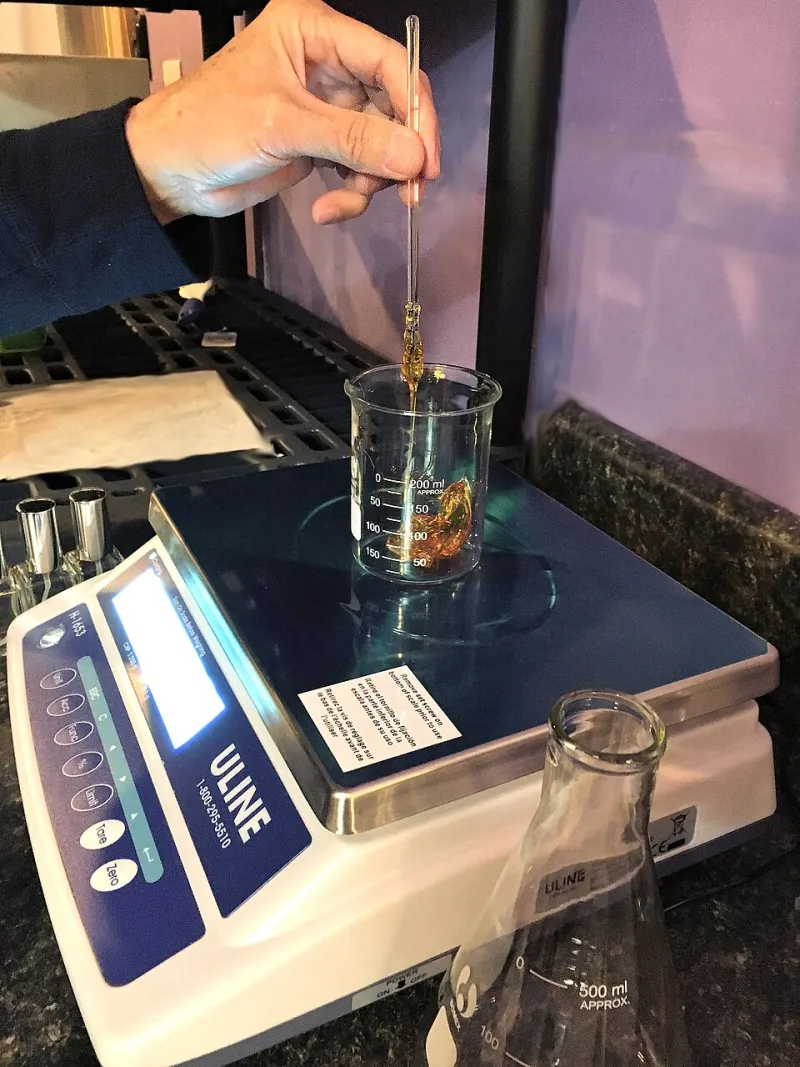
Photo: Draconis44, CC BY-SA 4.0, via Wikimedia Commons
Extraction is a purchasing question, not a marketing badge
UK shoppers are now accustomed to seeing extraction named on a label or product page. Supercritical CO2, ethanol and cold-pressed are used as shorthand for purity, tradition or solvent-free production. None of those labels is inherently a guarantee. Extraction is a manufacturing choice with trade-offs, and the relevant question is not which method sounds most advanced but whether the supplier can document how that method was applied to a specific batch.
For consumers and trade buyers alike, extraction claims should be read alongside potency, contaminant testing and finished-product specifications. A process description is useful only when it is specific, verifiable and consistent with the certificate of analysis (CoA).
CO2: precision with a capital cost
Supercritical carbon dioxide is a selective solvent. By adjusting pressure and temperature, an extractor can favour different cannabinoids and terpenes, and the process is often used for high-value concentrates. CO2 itself leaves no meaningful residue in the finished oil, which is one reason the method carries a premium reputation.
The equipment is expensive, however, and the economics favour larger batches or contract extraction. CO2 extraction may also be combined with ethanol as a co-solvent or during winterisation, so a product described simply as CO2 extracted may still require residual solvent testing. Buyers should ask whether the extract was winterised, decarboxylated or distilled, and whether any isolate or distillate was added to reach the label claim.
A CO2 claim without process detail is therefore weak evidence. The better evidence is a batch-specific CoA showing cannabinoid content, THC, residual solvents and contaminants for the oil that will actually be bottled.
Ethanol: scalable, but the wash matters
Ethanol is a polar solvent and an efficient extractor. It captures a broad range of compounds, including cannabinoids, but also chlorophyll, waxes and sugars. That broad capture is not automatically a defect, but it usually requires winterisation, filtration and sometimes distillation to produce a clean oil.
Residual ethanol is the obvious control point. UK buyers should expect the CoA to report residual ethanol against a recognised limit, not merely state that ethanol was used and removed. Heat during solvent recovery can also affect delicate terpenes, so a well-run ethanol process and a poorly controlled one can produce very different finished oils.
Ethanol has lower capital costs and high throughput, which is why it remains common in scalable production. The practical question is not whether ethanol is used, but whether the supplier can show consistent refinement, validated residue testing and a finished-product specification that matches the label.
Cold-pressed: clean label, narrower reality
Mechanical pressing avoids solvent entirely, which appeals to buyers looking for a simple process story. The trade-off is yield. Cold pressing is less selective and generally less efficient at concentrating cannabinoids than solvent-based methods, so it can require large amounts of biomass to produce a meaningful CBD content.
Some cold-pressed products are made from hemp seed oil, which is a nutritious food oil but not a CBD-rich material. Others may use pressed hemp flower, a blended extract or added isolate. A product marketed as cold-pressed CBD should therefore be checked for measured CBD per bottle, not just the process name. Cold-pressed oils may also have a stronger taste and different shelf-stability profile, and scalability is limited compared with CO2 or ethanol.
For UK buyers, the sensible position is that cold-pressed is neither inherently superior nor inherently inferior. It is a process with a particular yield and formulation profile, and it needs the same batch-level evidence as any other extraction method.
What the certificate of analysis should prove
A CoA is only useful if it is batch-specific and verifiable. It should identify the product, batch or lot number, test date, laboratory and analytical method, and it should report results for cannabinoids, THC, residual solvents, pesticides, heavy metals, mycotoxins and microbial contaminants where relevant.
For oils, the laboratory should test the finished product or apply a documented dilution factor. Potency should be expressed in mg per bottle or mg per ml, not only as a percentage. THC should be reported against the applicable UK limit, and a result of not detected should state the limit of detection rather than imply absolute absence.
Accreditation matters. An ISO/IEC 17025 laboratory accredited for the relevant tests, with UKAS accreditation as a useful UK signal, provides more assurance than an unaccredited report. Buyers should also check that the CoA belongs to the batch in hand and not to a previous production run.
Questions to put to a UK supplier
- Which extraction method was used, and were any co-solvents or processing aids involved?
- Was the extract winterised, decarboxylated or distilled, and was any isolate or distillate added?
- Does the CoA cover the finished oil or only the raw extract?
- Which laboratory performed the testing, and is it accredited for each test panel?
- What is the measured CBD content in mg per bottle, and what potency tolerance applies?
- What are the residual solvent, pesticide, heavy metal and THC results for this batch?
- Can the supplier provide a specification sheet, retention sample policy and label artwork for review?
- How is novel food compliance and UK labelling being verified?
Red flags in extraction claims and CoAs
A repeated CoA across multiple batches is a warning sign. So is a CoA with no batch number, no test date or no named laboratory. Buyers should be cautious when residual solvents are missing from a solvent-extracted product, when potency is given only as total cannabinoids, or when THC is described as zero without a limit of detection.
A CO2 claim without any process detail is marketing rather than evidence. A cold-pressed claim without measured CBD content is similarly incomplete. The most useful suppliers are those that can explain the process plainly and then support it with batch-level documents.
A proportionate conclusion
Extraction method matters because it shapes the extract, the residue profile and the cost base. It is not a proxy for compliance or value. A transparent supplier can explain the process, provide batch-specific evidence and price the product by measured CBD. A supplier that leads with a process badge but cannot answer basic questions is asking for trust it has not earned.