When the Label Outlives the Link: Keeping Batch Lookup Pages Recall-Ready

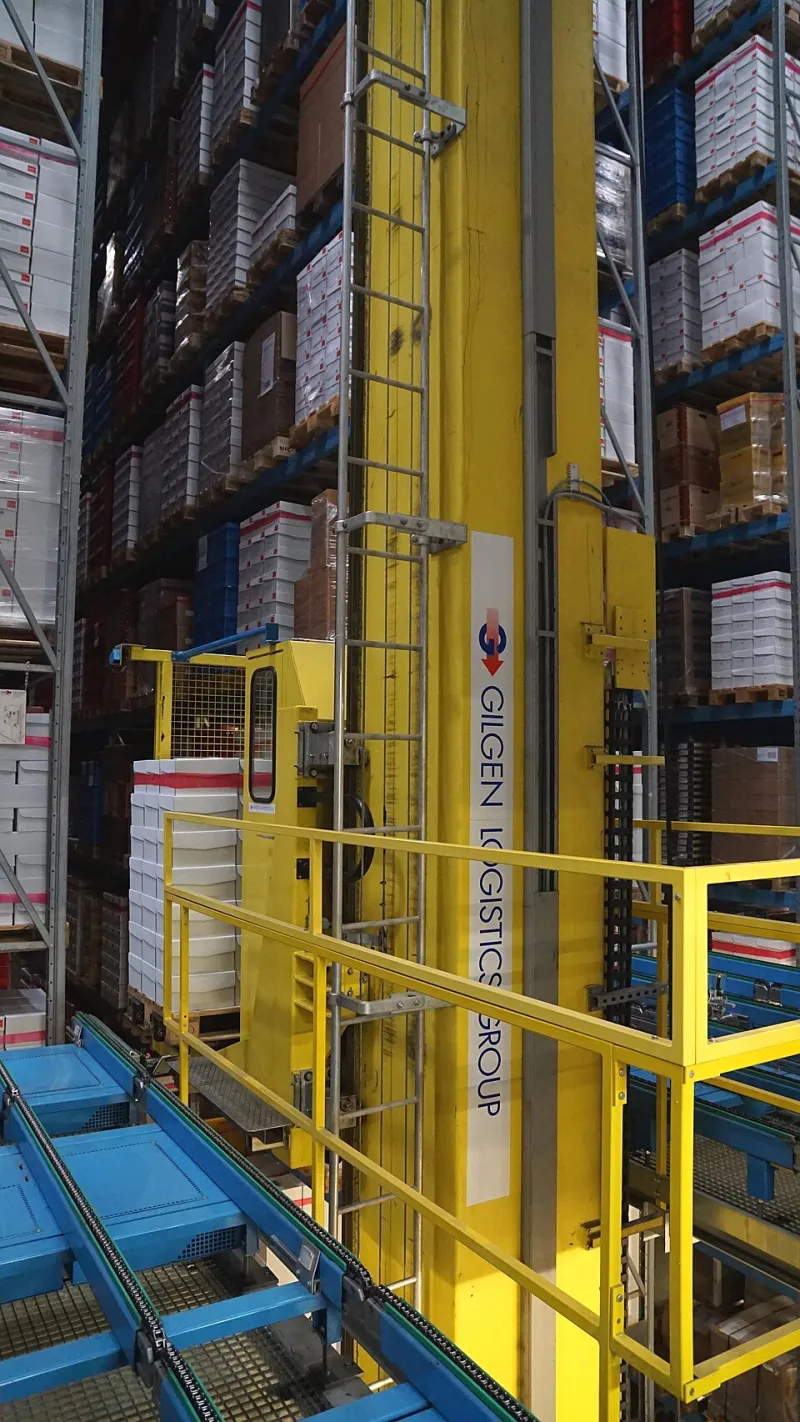
Photo: Exey Panteleev, CC BY 2.0, via Wikimedia Commons
Batch-level QR codes are usually discussed as a retail feature: a nice touch on the label, a signal of transparency, a way to show a certificate without printing it. That framing is understandable and, from a compliance point of view, incomplete. The code is a permanent printed instruction to resolve a URL. It will still be on the bottle long after the campaign that introduced it has ended, the agency that built the page has moved on and the person who registered the domain has left the business.
When a batch needs to be recalled or a claim corrected, that code is the fastest route from a bottle in a customer’s hand to a notice from the brand. Whether it works is decided years earlier, by decisions that look administrative at the time.
A printed label cannot be patched
Everything else in a digital traceability system can be updated. A label cannot. Once 40,000 units have gone out with a code that resolves to a particular hostname, that hostname is effectively part of the product specification. The practical question is not whether the page looks good today, but whether the same URL will resolve, correctly, in three years, on an old handset, on a slow connection, in a jurisdiction whose privacy rules have changed since.
Who owns the redirect
Begin with the least glamorous question: who controls the domain and the redirect? If the answer is the design agency, the answer is wrong. The brand should hold the registrable domain, the DNS account, the TLS certificate renewal and the hosting contract, with named individuals and a documented recovery route that does not depend on a former employee’s personal email address.
A useful test is to imagine the agency relationship ending badly on a Friday afternoon. Could a new developer stand up a working lookup page by Monday? If not, the traceability chain has a single point of failure that has nothing to do with chemistry.
Link rot is a compliance event
Links fail for mundane reasons: a content management system migration, a redirect chain that was never updated, a certificate that expired, a hosting plan that lapsed during a cost review. In a marketing context these are annoyances. In a recall context they are the difference between a customer reading a notice and a customer concluding that the code is a gimmick.
The technical answer is a stable, short URL pattern under the brand’s own control, with a redirect layer that can be re-pointed without reprinting a label. The redirect should be tested on the oldest devices still in circulation, not only on the latest phone in the office.
Hosting the certificate without rewriting history
Where the page serves a certificate of analysis, the file should be immutable and versioned. Each version should carry a date and a checksum, and the page should state clearly which version is being displayed and what has changed since the previous one. A PDF that is quietly replaced with a cleaner-looking scan is not transparency; it is a record that cannot be relied upon.
Commercial information can be redacted, but redaction should be recorded. Lab identity, method references and results should survive the redaction process intact.
Status fields that a recall can actually use
A batch page should have a status field that is separate from the certificate: active, on hold, recalled, corrected, superseded. The status should carry a date and a short plain-English explanation, written for a customer rather than for a quality manager.
This is the field that earns its keep. When a potency result is corrected or a labelling error is discovered, the page can say so without pretending the batch never existed. A page that only ever displays good news is not a traceability tool; it is a brochure with a batch number on it.
Access logs and their limits
Lookup pages generate logs: scan volumes by date, by region, sometimes by device. These are useful during a recall because they give an approximate indication of how many customers have seen a notice, and when. They are not a substitute for a customer contact route, and they are personal data where they can be linked to an individual.
Retention should be defined, minimisation applied, and the lawful basis recorded. A log kept indefinitely because it might be useful is a liability, not an asset.
The maintenance schedule nobody wants to own
A truthful batch page is maintained, not launched. A workable schedule includes:
- A quarterly crawl of every printed URL, checking resolution, redirect chains, certificate availability and mobile rendering.
- An annual review of domain registration, DNS control, certificate renewal and hosting ownership, with named deputies.
- Change control tied to print runs: no label is signed off until its URL has been tested and the batch record created.
- A twice-yearly drill in which a test batch is set to recalled status and the team confirms the notice appears, the logs record it and the customer-facing wording makes sense.
- A documented offline fallback, such as a batch-code entry page and a phone line, for customers who cannot or will not scan.
The schedule should sit with a named owner, and the owner should not be the marketing team alone. Traceability ends in the customer’s hand, and the customer’s hand is reached through a link that somebody has to keep alive.