Reading Between the Peaks: A UK Buyer’s Guide to Auditing CBD Batch Files
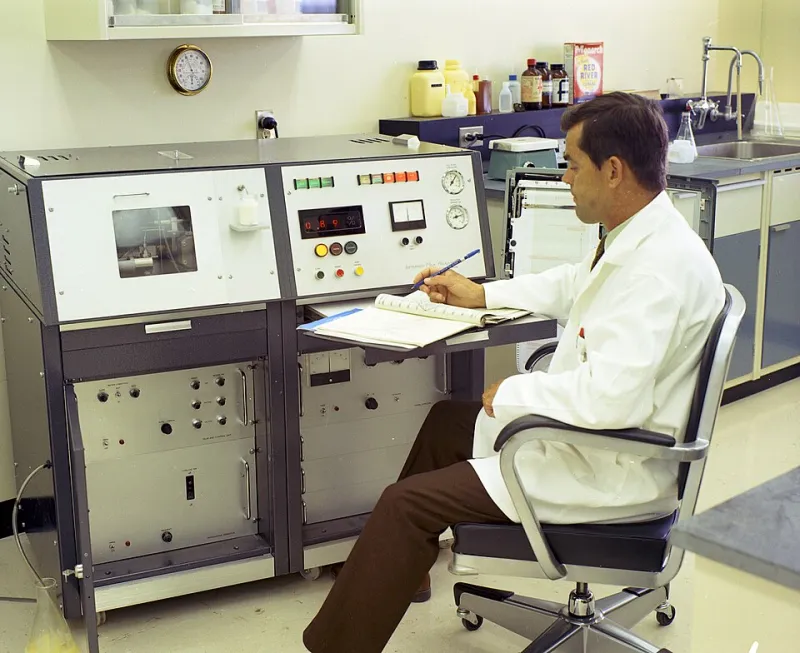
Photo: Provincial Archives of Alberta, No restrictions, via Wikimedia Commons
Most CBD suppliers can produce a certificate of analysis. Fewer can produce a batch file that survives scrutiny. For UK retailers and wholesale buyers, the difference matters. A CoA is not a decorative PDF; it is a technical record that should allow a buyer to reconcile what was tested, when it was tested, how it was tested and which commercial stock the result applies to. In 2026, with UK buyers more cautious and compliance expectations tighter, the batch file audit is a sensible first step before samples, pricing or pallet terms are discussed.
Start with the batch, not the PDF
The first check is simple: does the certificate identify a batch? A credible CoA should carry a batch or lot number that matches the product label, the supplier’s specification sheet and the invoice or dispatch note. If the document refers only to “representative sample” or “current production”, ask what exactly that sample represents. A result without a batch identifier is a laboratory report, not a batch record.
Dates deserve equal attention. Look for a sample receipt date, an analysis date and a report date. A certificate dated before the batch was manufactured is an immediate red flag. So is a CoA that is old enough to belong to a previous production run but is presented as current stock. Some products are stable and some are not, but the supplier should be able to explain its retest policy rather than relying on an ageing document.
The laboratory and its accreditation
A laboratory logo is not proof of competence. UK buyers should look for the laboratory’s name, location and accreditation details. Where the laboratory claims accreditation to ISO/IEC 17025, the relevant methods should fall within the scope of that accreditation. The certificate should reference the test methods used, not merely list analytes and pass or fail outcomes.
Ask for the limit of detection and the limit of quantification for each method. These figures matter when a supplier claims that a substance is “not detected” or “absent”. A pesticide may be below the reporting threshold rather than truly absent, and a cannabinoid may be present but below the limit of quantification. A supplier who cannot explain these distinctions is either unfamiliar with its own documentation or hoping the buyer will not ask.
Cannabinoid profiling: more than a single number
A useful cannabinoid profile reports more than CBD content. It should show the cannabinoids tested, the units used and the method applied. Depending on the product, that may include CBD, THC, THCA, CBDA, CBG, CBN and CBC. The certificate should make clear whether THC is reported as THC, as THCA, or as a calculated total. This is not a semantic detail; it affects how the result is interpreted.
Buyers should also check whether the sample was decarboxylated before analysis, where that is relevant to the method. A profile that reports only CBD, with no explanation of what else was tested, is thin evidence for any product marketed as full-spectrum or broad-spectrum. It may be adequate for an isolate, but the certificate should still state purity and the analytical basis for that figure.
Contaminants: the routine screens
The contaminant panel should reflect the risk profile of the material. Residual solvents are a basic check for extracted oils. Pesticides should be screened with a multi-residue method appropriate to the plant material. Heavy metals such as lead, cadmium, mercury and arsenic are routine expectations. Microbial testing may include total aerobic count, yeast and mould, and specified organisms such as E. coli and Salmonella. Mycotoxins may also be relevant depending on the source material and storage history.
Not every product requires an identical panel, but the supplier should be able to explain why a test is included or omitted. A potency-only certificate is not a quality certificate. If a supplier tests for CBD and nothing else, the buyer has little evidence about solvents, pesticides or microbial contamination. For outdoor-grown biomass, the pesticide question is particularly important. For imported extracts, solvent residues and traceability deserve close attention.
Traceability and the rest of the file
The CoA should sit within a wider batch file. That file might include the product specification, the supplier’s internal release decision, a summary of the manufacturing record and the chain of custody for the sample. The buyer does not need the entire manufacturing dossier, but it should be possible to connect the commercial product to the analytical result.
Check that the certificate is signed or otherwise authorised, that revisions are controlled and that the document has a version or report number. If the supplier sends a certificate with no laboratory contact details, no method references and no sample date, the buyer is being asked to trust a screenshot rather than audit a record.
Red flags before you sign
Common warning signs include certificates that cannot be matched to a batch, laboratory accreditation that cannot be verified, missing units, “pass” results without numerical data, and cannabinoid profiles that omit THC or fail to explain the reporting limit. A CoA dated before manufacture, a certificate shared across several unrelated products, or a supplier who becomes evasive when asked for the underlying laboratory report should all slow the purchasing process.
A practical approach is to request a sample batch file before the first order. Ask for the CoA, the specification and the batch number together. Ask one follow-up question about the method or the limit of quantification. The quality of the answer will tell you as much as the certificate itself. Transparency is not a single document; it is a file that reconciles. If the file cannot be reconciled, the buyer should treat that as a commercial signal, not an administrative inconvenience.