Words That Carry Weight: Defining Full-Spectrum, Broad-Spectrum and Isolate for UK CBD Retail
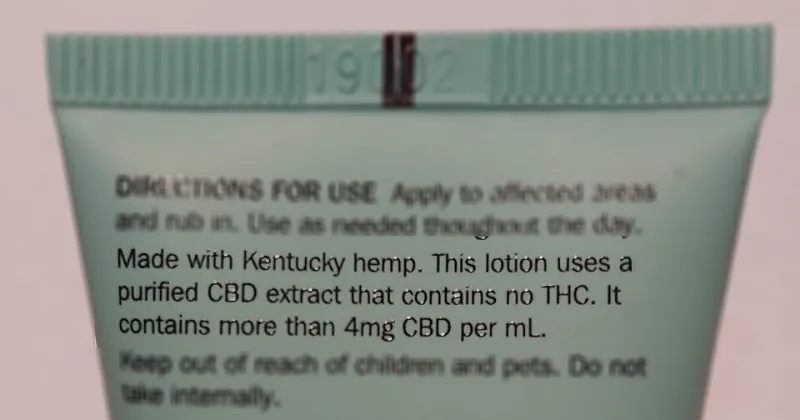
Photo: Bri, CC BY-SA 4.0, via Wikimedia Commons
Full-spectrum, broad-spectrum and isolate are not interchangeable marketing moods. They are technical descriptions, or they should be. In the UK CBD market, the terms are used so loosely that a shopper can reasonably conclude they mean whatever the label needs them to mean. That is a problem for consumer trust, and it is a growing problem for retailers and wholesalers who inherit the claims on a product page.
Why the shorthand is failing
The difficulty is not that the terms are inherently meaningless. It is that they are rarely tied to a measurement. One brand uses “full-spectrum” to mean an extract containing several cannabinoids and a trace of THC. Another uses it to mean a whole-plant extract with terpenes and other plant compounds. A third uses it because the previous label did. “Broad-spectrum” is even more elastic: sometimes it means THC has been removed, sometimes it means THC is below a reporting limit, and sometimes it means the marketing team wanted a middle option between full-spectrum and isolate.
For UK shoppers, this is confusing. For UK regulators and trading standards teams, it is an invitation to ask what the claim actually means. CBD extracts are novel foods in the UK, and labelling must be accurate and not misleading. A term that cannot be explained in analytical terms is difficult to defend if a product is challenged.
A workable definition set
A defensible glossary should describe composition, not imply an experience. The following definitions are not a legal standard, but they are practical enough for product pages and wholesale catalogues.
| Term | Proposed trade definition | Evidence needed |
|---|---|---|
| Full-spectrum | A multi-cannabinoid extract that retains the cannabinoid profile of the source material within the manufacturer’s specification, including THC where present at a measured level. | Batch CoA showing cannabinoid profile, THC result and reporting limits. |
| Broad-spectrum | A multi-cannabinoid extract in which THC has been reduced or removed to below the reporting limit stated on the batch CoA, with other cannabinoids retained. | Batch CoA showing THC below the stated limit of quantification and the cannabinoids retained. |
| Isolate | A preparation consisting primarily of one cannabinoid, with purity stated and no other cannabinoids intentionally present above the reporting limit. | Batch CoA showing purity and the cannabinoid profile tested. |
The key phrase is “stated on the batch CoA”. Without that anchor, the definitions collapse back into marketing language. A product is not broad-spectrum because the copy says so; it is broad-spectrum because the analytical record supports a specific composition.
The compliance risk in a loose label
A label that says “THC-free” is not the same as a label that says THC was below the limit of quantification in a particular batch. The first is an absolute claim; the second is a measured statement. If a later batch produces a different result, the absolute claim becomes misleading. Similarly, “full-spectrum” can imply the presence of controlled cannabinoids. If the product contains THC, the supplier needs to be clear about the measured level and the applicable UK controls. If it does not, the supplier should not use a term that suggests it does.
Retailers inherit this risk. A wholesale catalogue that uses “full-spectrum” as a synonym for “stronger” or “more natural” may sell product, but it also creates a paper trail of imprecise claims. Customer service teams then repeat those claims. Product pages repeat them. Eventually the terminology becomes a compliance issue rather than a category descriptor.
A language checklist for product pages
First, define the term on the page in plain English. A short glossary entry is better than a vague adjective. Second, state what the batch CoA shows: which cannabinoids were tested, whether THC was detected, and the reporting limit. Third, avoid absolute claims such as “THC-free” unless they are analytically and legally defensible. “Below the limit of quantification” is less elegant but more honest.
Fourth, do not use “full-spectrum” to imply a stronger effect. Cannabinoid content is a matter of milligrams per bottle or per serving, not a mood. Fifth, do not call a product “broad-spectrum” if the only evidence is a supplier’s email. Ask for the CoA. Sixth, keep a controlled vocabulary across the website, the wholesale catalogue and the staff script. If the product page says one thing and the sales team says another, the weaker statement will eventually be the one that matters.
Wholesale catalogue discipline
Wholesale buyers should require suppliers to provide a definition sheet alongside the CoA. The sheet should state how the supplier uses each term, what is tested and what is not. It should also state the batch number and the date of analysis. A supplier that cannot define its own categories is asking the buyer to absorb the ambiguity.
A simple rule works well: if a term cannot be tied to a measured result, it should not appear in a catalogue. That rule will not eliminate every disagreement about cannabinoid terminology, but it will reduce the number of claims that cannot be supported. Clear words are not a marketing constraint; they are a commercial asset. The UK CBD market will not lose credibility by defining its terms more tightly. It will lose credibility if it continues to use them as decoration.