Hold That Pallet: A Quality-Control Playbook for UK CBD Trade When a Batch Fails
Photo: OSU Special Collections & Archives : Commons, No restrictions, via Wikimedia Commons
Most conversations about CBD quality in the UK trade revolve around prevention: supplier vetting, batch archives, cannabinoid profiles, the paperwork that should arrive before goods do. Far less is written about the moment the system catches something. A retest comes back with a cannabinoid figure outside tolerance. A courier reports a leaking closure on forty units. A customer emails a photograph of sediment that should not be there. What follows in the next seventy-two hours will determine whether the matter is a routine correction or a regulatory headache.
Why the Hold Matters More Than the Failure
A quality hold is not an admission of fault. It is a controlled pause — a decision to stop a product moving further into the supply chain while its status is established. Traders who treat a hold as an embarrassment tend to rush it, and rushing is precisely how a single suspect batch becomes a distribution problem spanning several retail accounts.
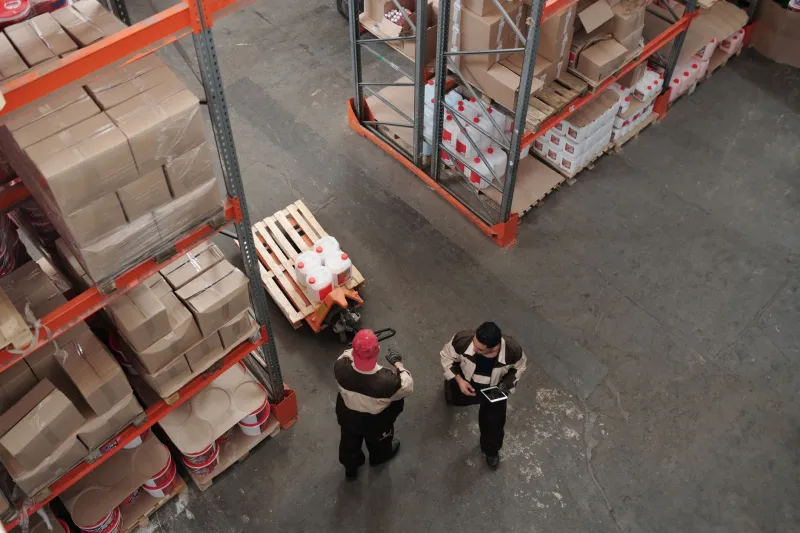
For a UK wholesaler, the hold should be a documented state, not a verbal one. That means a written hold notice, a physical marker on the pallet or location code, a locked status in the stock system, and a named individual accountable for the outcome. Retailers receiving direct deliveries should mirror the practice at a smaller scale: quarantine shelf, separate bin, clear signage. A batch on hold should be impossible to pick by accident during a busy Friday dispatch.
The First Forty-Eight Hours
Once a concern is raised, the practical sequence is usually as follows.
Confirm what you actually have. Check that the batch code on the sample matches the batch code on the certificate of analysis and on the cartons. Discrepancies here are common and occasionally explain everything.
Segregate stock immediately. All affected units, wherever they sit — warehouse, van, store room, a customer's back office — should be identified and frozen in place. Ask accounts to hold rather than return; moving goods under scrutiny creates more handling risk than it resolves.
Notify your supplier in writing. State the batch code, the date received, the concern and the evidence. Give a clear deadline for response. Verbal assurances are of limited use in a paper trail.
Commission an independent retest if the stakes justify it. For a small consignment, the cost of a third-party laboratory analysis may exceed the value of the goods. For a pallet destined for multiple accounts, it rarely does.
Record the decision and the reasoning. Even a decision to release a batch after review should be minuted, with the basis stated. Six months later, memory is not evidence.
The Documentation Trail That Saves You
The single most valuable asset in a quality dispute is a clean file. In UK CBD trade, a defensible batch file typically contains: the supplier's certificate of analysis with the laboratory named and the method stated; your own receipt records with date, quantity and condition on arrival; any in-house or third-party sampling results; correspondence relating to the concern; and a disposition record showing what happened to each unit.
Two habits sharpen this considerably. First, sample retention — keeping a sealed reference unit from each batch for a defined period, typically the shelf life plus a margin. Second, a disposition log that distinguishes between released, returned, destroyed and reworked stock. Destruction, in particular, should be evidenced with a waste transfer note from a licensed carrier, because 'we binned it' is not a sentence that survives scrutiny.
Communicating With Trade Customers
Retail buyers are, on the whole, forgiving of problems disclosed early and unforgiving of problems discovered late. The communication principle is straightforward: tell accounts what you know, what you do not know, what you are doing about it, and when they will hear from you next.
Avoid two temptations. The first is speculation — attributing a failure to a supplier's raw material before the analysis supports it invites a dispute you may have to retract. The second is silence while investigations run. A short holding update, even one containing no new information, is far better than a fortnight of quiet followed by a recall notice.
Where product has already reached consumers, the message must be calibrated to the actual risk. A label discrepancy on a minor cannabinoid is not the same as a contamination finding, and treating both with identical alarm undermines credibility when the serious case arrives.
Recall Readiness Before You Need It
A recall is simply a hold that has escaped your control. The difference between a manageable recall and a chaotic one is almost always preparation carried out in a quiet month.
Practically, that means maintaining traceability one step forward and one step back. You should be able, within a few hours, to list which accounts received which batch codes and in what quantities, and equally to name the supplier consignment from which a given unit originated. Batch coding that is applied at repackaging — rather than merely inherited from the supplier — must be mapped back to the original lot, or the chain breaks at the worst possible moment.
Have a recall notice template on file, with fields for batch code, date range, reason, action required and contact details. Identify who signs it off. Decide in advance how returned stock will be received and stored, and who bears the carriage cost. These are unglamorous decisions, and that is precisely why they should be made when nobody is under pressure.
Questions Worth Asking Before the Pallet Lands
Buyers can predict a great deal about how a supplier will behave in a crisis by how they behave beforehand. Useful questions include: Which laboratory produces your certificates, and are you willing to share the full report rather than the summary? What is your retention sample policy? If a batch fails in our warehouse, what is your replacement or credit position in writing? Who is our named contact out of hours? Have you conducted a recall or withdrawal in the past three years, and what did you change as a result?
Suppliers who answer these briskly, with documents, tend to be the ones whose hold procedures hold up. Those who deflect are telling you something useful too.
The Takeaway
Quality failures are a normal feature of any manufactured product, and the UK CBD sector's testing demands make them more visible than in many categories. What separates a well-run trading business is not the absence of suspect batches but the presence of a calm, documented, repeatable response. Build the hold procedure, keep the samples, log the dispositions and write things down. The pallet that never fails will not thank you for it — but the auditor, the customer and the eventual insurer almost certainly will.