The Unlabelled Component: Validating Dropper Delivery and Fill Volume in UK CBD Trade
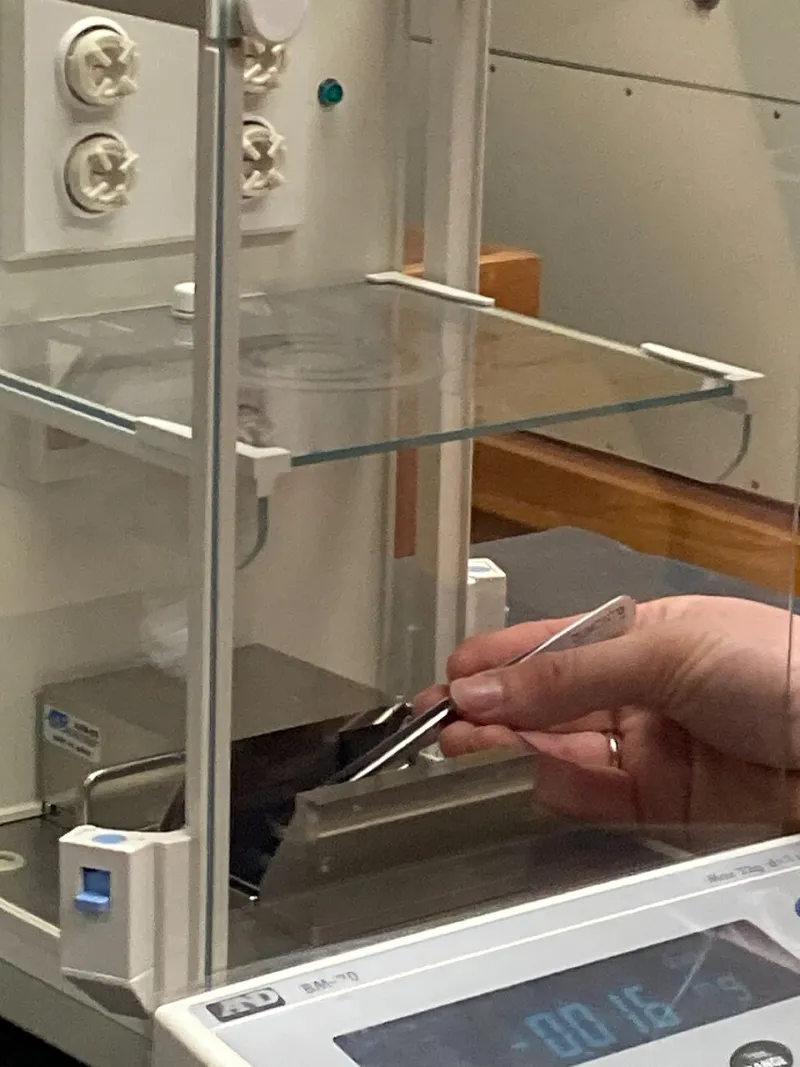
Photo: Forest Service Photography, Public domain, via Wikimedia Commons
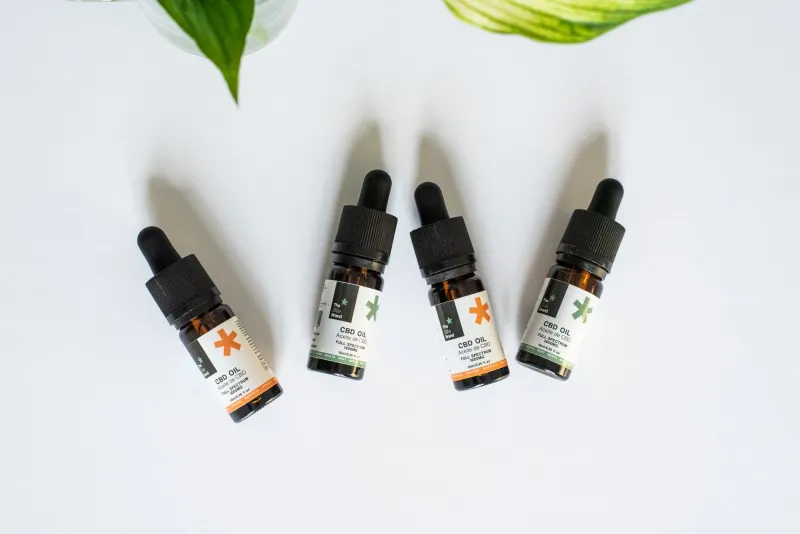
A CBD oil label usually presents the dose in milligrams per millilitre, with a serving size expressed in drops. The arithmetic looks tidy. In practice, the dropper is an unlabelled component of the dose, and it deserves the same scrutiny as the cannabinoid concentration, the carrier oil and the batch certificate. For UK trade buyers, retailers and brands, validating dropper delivery and fill volume is not a laboratory indulgence. It is a release control that protects the consumer, the retailer and the supplier from avoidable disputes.
The dropper belongs in the product specification
Droppers vary in orifice diameter, bulb material, glass finish, graduation and priming behaviour. Two bottles may carry the same 10 ml nominal fill and the same 1,000 mg cannabinoid content, yet deliver materially different amounts per drop. A simple example illustrates the risk. At 100 mg/ml, a 0.05 ml drop carries 5 mg. If the actual drop is 0.04 ml, the dose is 4 mg; at 0.06 ml, it is 6 mg. A 20% swing in delivered milligrams can arise from a component that many buyers never specify.
Viscosity compounds the issue. Carrier oils differ in density and flow behaviour, and temperature changes both. An oil conditioned in a cool stockroom in February will not necessarily dispense at the same rate as one kept beside a shop radiator in July. Fill volume adds a second variable: nominal volume, net weight, headspace and filling temperature all affect what the consumer actually receives. A label serving based on an assumed drop volume is therefore a claim that should be demonstrated, not inherited.
A bench protocol that can survive audit
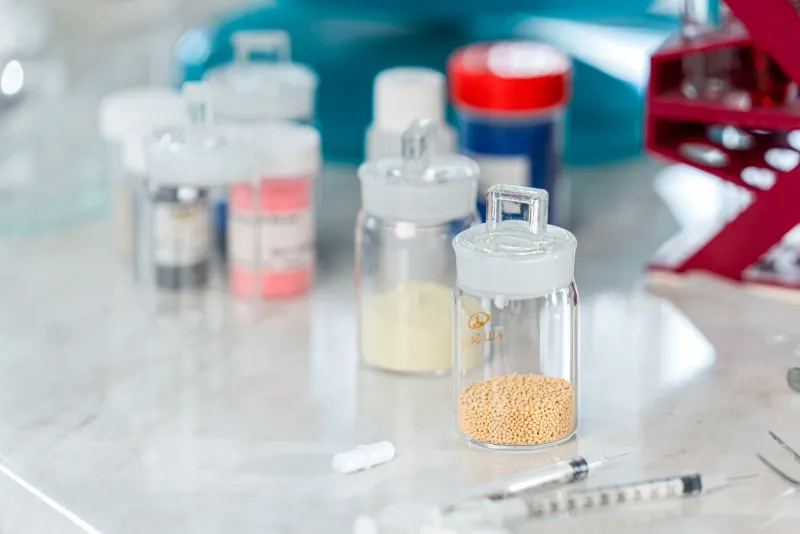
The following protocol is deliberately modest. It can be run in a trade buyer's own facility or by a contract laboratory, and it produces records that stand up to later questions.
- Condition at least three bottles from the same batch at 20 °C ± 2 °C for 24 hours. Record the temperature and the conditioning period.
- Weigh a clean, dry receiving vial on a balance readable to 0.001 g. Record the empty weight.
- Prime the dropper according to the supplier's instructions, then draw to the graduation mark. Dispense 20 drops into the receiving vial without touching the dropper tip to the glass.
- Reweigh and calculate the mean drop mass by dividing the delivered mass by 20. Repeat at least five times per bottle, using a fresh receiving vial or a consistent tare method.
- Convert mass to volume using the density of the carrier oil at the recorded temperature, or report gravimetric results alongside the declared drop volume if density data are not supplied.
- Repeat the drop-count test at 15 °C and 25 °C on a separate conditioned sample to understand temperature sensitivity. Do not introduce refrigeration unless the label instructs it.
- For fill volume, weigh the full bottle, empty and clean it, then weigh the empty bottle. The difference is net mass. Divide by carrier density to estimate volume at the recorded temperature. Check the result against the declared nominal volume and record headspace observations.
- Report the mean, standard deviation and coefficient of variation for drop mass within each bottle and across the batch. Flag any bottle whose mean deviates from the batch mean by more than the agreed action limit.
A sensible internal specification might require a within-bottle drop-mass coefficient of variation of no more than 5%, a batch mean within ±7.5% of the declared drop volume at 20 °C, and a fill volume that meets the nominal declaration under the applicable UK average-quantity rules. These figures are starting points for negotiation, not universal law. The important point is that the limits are written down before the pallet arrives.
Turning bench results into contract language
A purchase order that specifies only cannabinoid potency leaves the dropper uncontrolled. Trade buyers should add a dropper delivery schedule to the quality agreement. It should name the dropper component, the target drop volume at 20 °C, the carrier oil and the test method. It should also require a batch-specific dropper delivery report alongside the certificate of analysis.
Useful clauses include: the supplier shall demonstrate that the mean delivered drop volume at 20 °C is within ±7.5% of the declared value for the named carrier oil; fill volume shall meet the declared nominal volume under the UK average-quantity system, with no individual unit below the applicable tolerable negative error; and any change to dropper supplier, orifice specification, bulb material or carrier oil shall trigger revalidation before further release. A change-control clause of this kind is more valuable than a one-off test result, because it prevents silent substitution between batches.
The contract should also address label language. If the label states a serving in drops, the drop count must be linked to the validated delivery volume. If the label states a serving in millilitres, the dropper becomes a convenience measure rather than the legal basis of the dose. Both approaches can be honest, but they require different evidence. Retailers should ask which approach the brand has taken and whether the batch file supports it.
What honest dosing looks like to the consumer
Consumers rarely have the equipment to check a dropper, but they notice inconsistency. A bottle that delivers noticeably more or fewer drops than expected undermines trust in the whole product, including the potency claim. For that reason, transparent dosing is a commercial asset as well as a compliance matter. Brands can publish a short methodology note explaining that drop volume is validated at 20 °C, that drop counts are approximate, and that the label serving is based on a tested delivery volume. They do not need to publish raw data to be credible; they need to show that the question has been asked.
Retailers can support this by training staff not to promise an exact number of drops per milligram unless the brand has supplied a validation report. They should also store stock as directed. A bottle kept in a warm window display is not the same product, from a dosing perspective, as one kept in a cool stockroom. UK conditions make this practical point worth repeating: central heating, cold depots and unheated retail units all influence viscosity and drop formation.
A release control, not a footnote
The dropper is part of the dose. Once that principle is accepted, the operational consequences are straightforward: specify the component, test the delivery, record the temperature, agree the tolerances and audit the fill. UK CBD trade does not need theatrical precision to be trustworthy. It needs repeatable checks, sensible contract language and labels that do not claim more than the bench can support. That is how honest dosing moves from marketing language to a release control.